Why Deepfake Detection Matters
In an era of synthetic media, discerning truth from fiction is increasingly challenging

Misinformation
Deepfakes can spread false narratives, manipulate public opinion, and undermine trust in institutions. Research shows that exposure to deepfakes significantly increases political distrust.

Fraud Prevention
Synthetic identities and face-swapped images enable sophisticated financial and social-engineering scams. Women make up 96% of deepfake-based pornography victims, and 67% of image-based abuse victims report negative mental-health impacts.

Media Literacy
We empower users with tools to critically evaluate digital content and combat digital deception. Our detector helps protect vulnerable groups disproportionately affected by deepfakes and promotes responsible media consumption.
How Our Detector Works
A streamlined, multi-stage AI pipeline built for interpretability, speed, and real-world reliability.
System Workflow
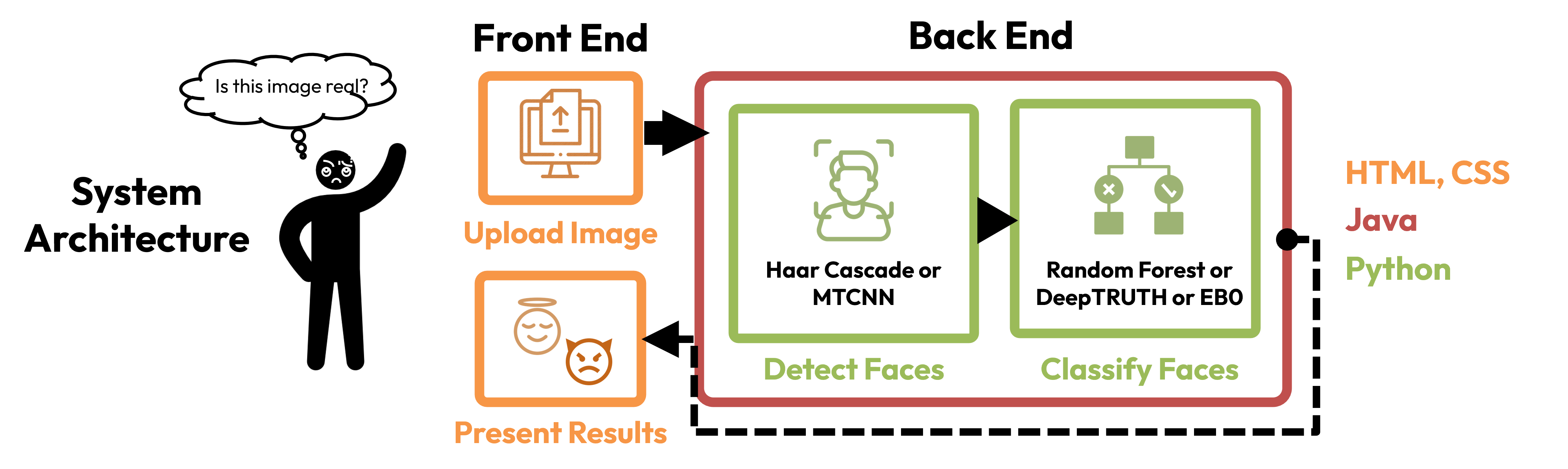
Complete pipeline from image upload to classification results

System Architecture
Front-end and back-end components working together for deepfake detection
Face Detection
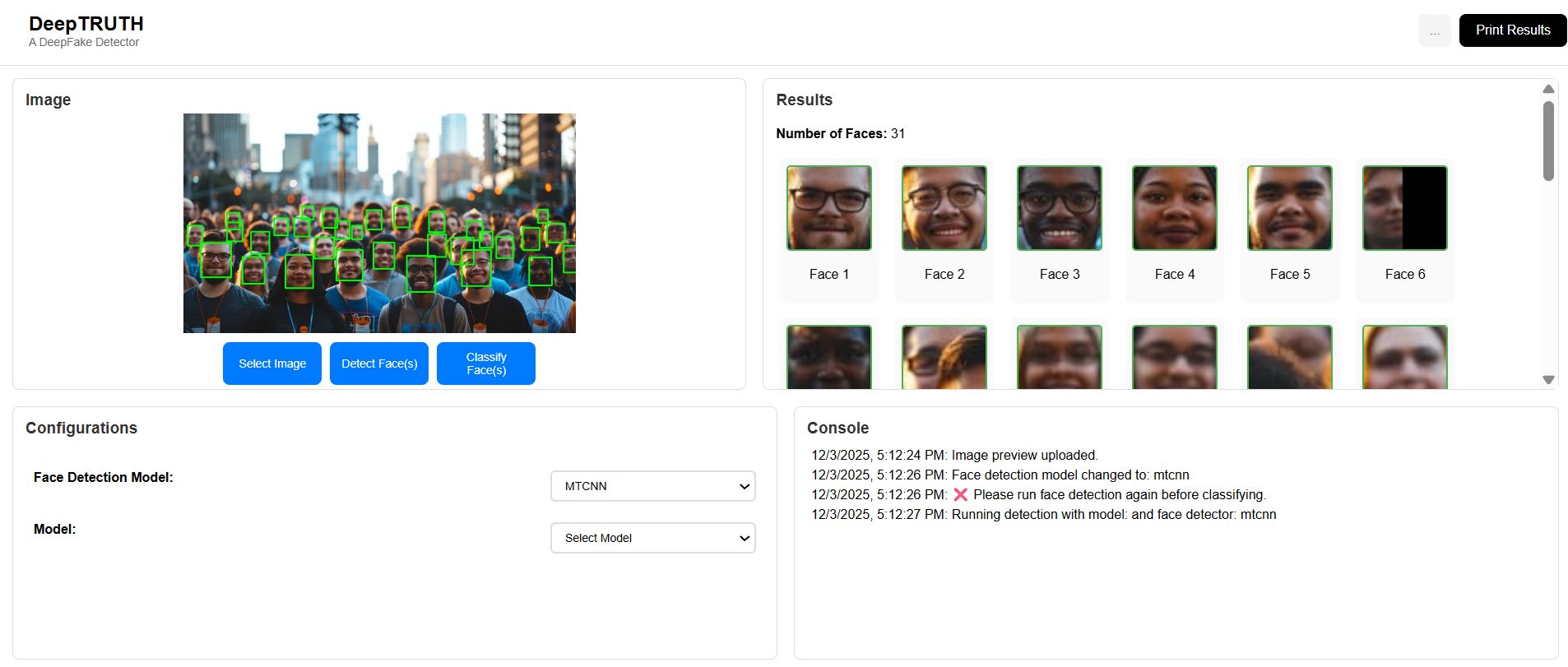
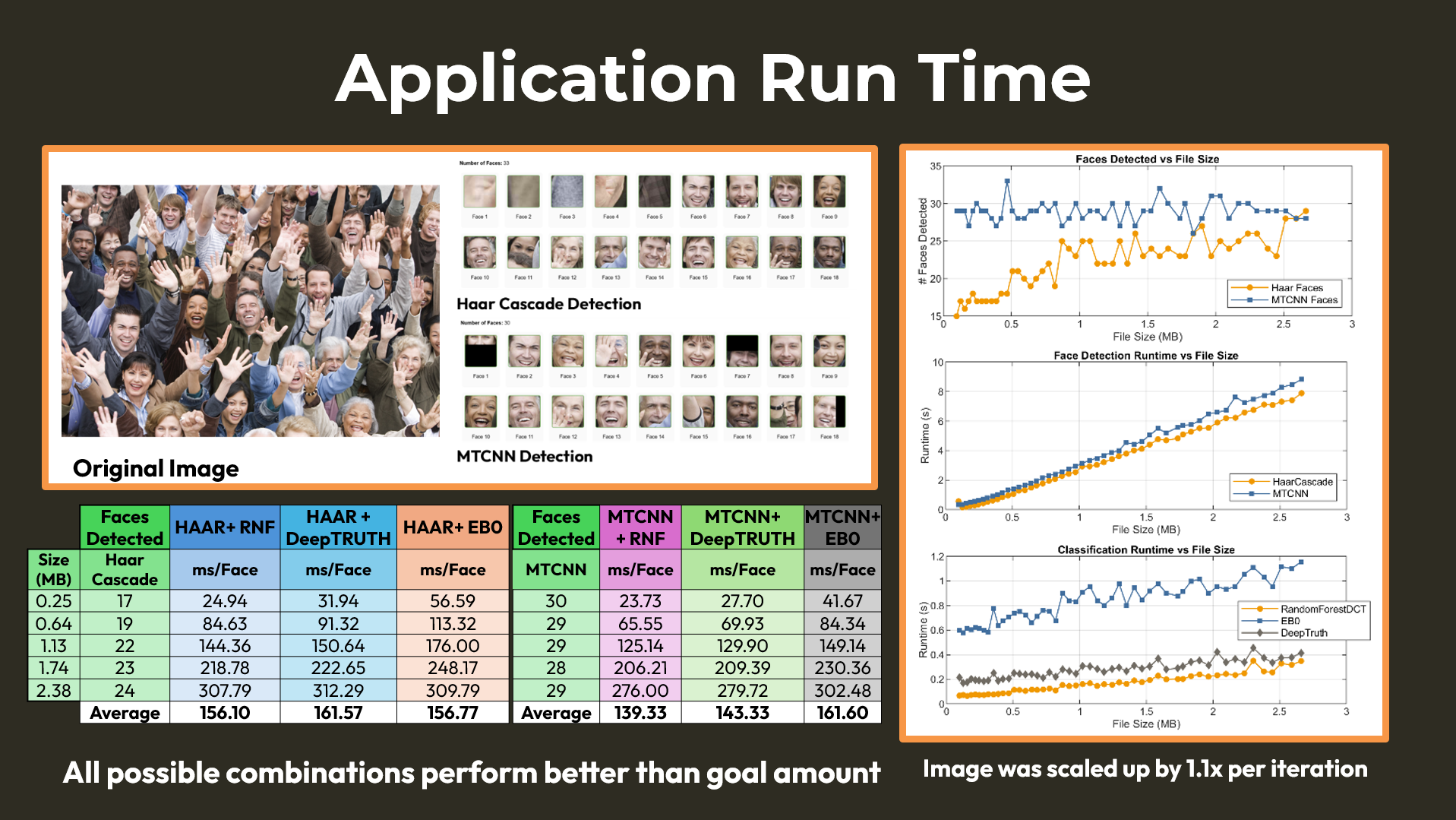
The system offers two face detection methods: Haar Cascade and MTCNN. Each detected face is cropped and analyzed individually, focusing on regions where manipulation typically occurs. The Haar Cascade provides fast CPU-based detection, while MTCNN offers higher accuracy for complex images.
Classification Models
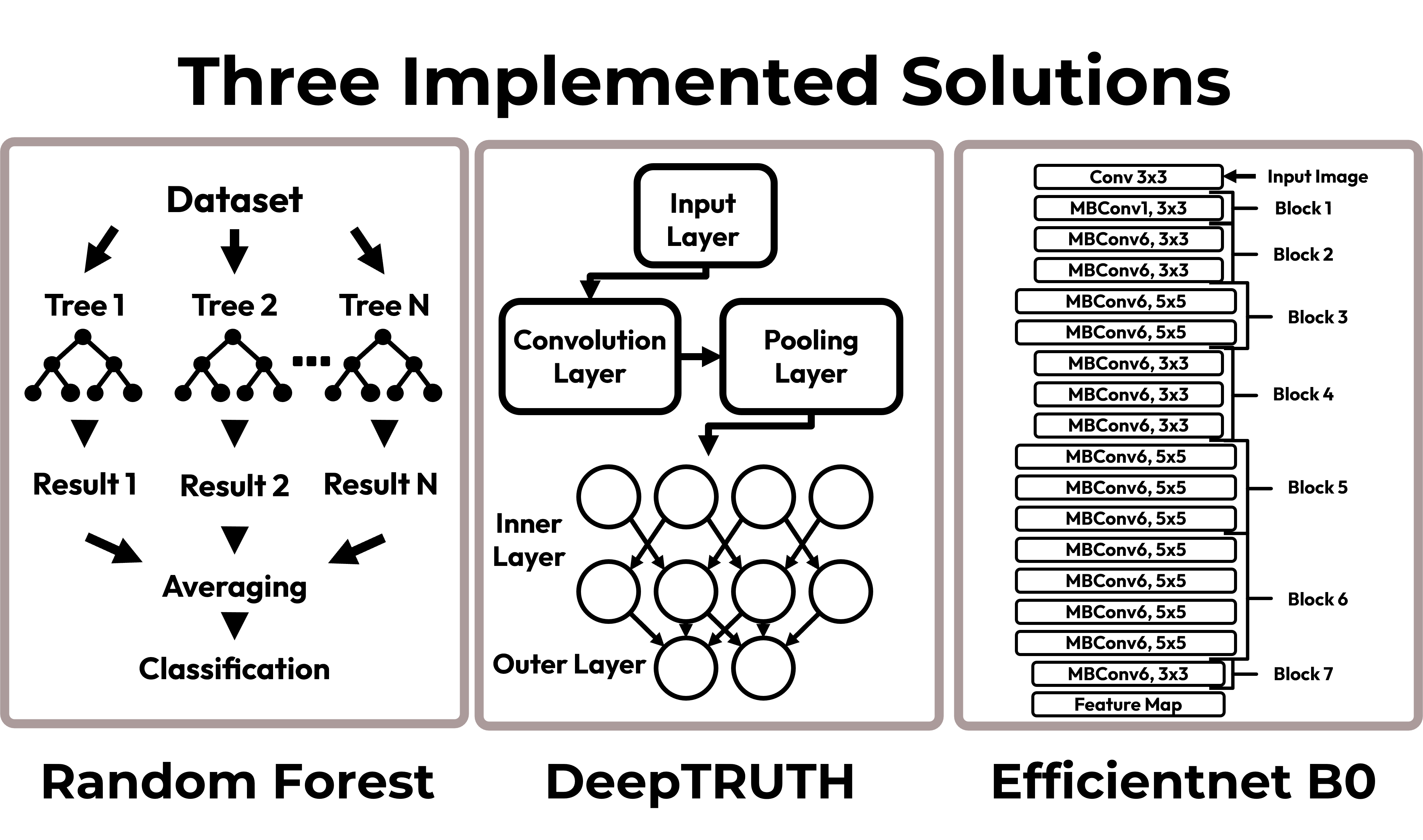
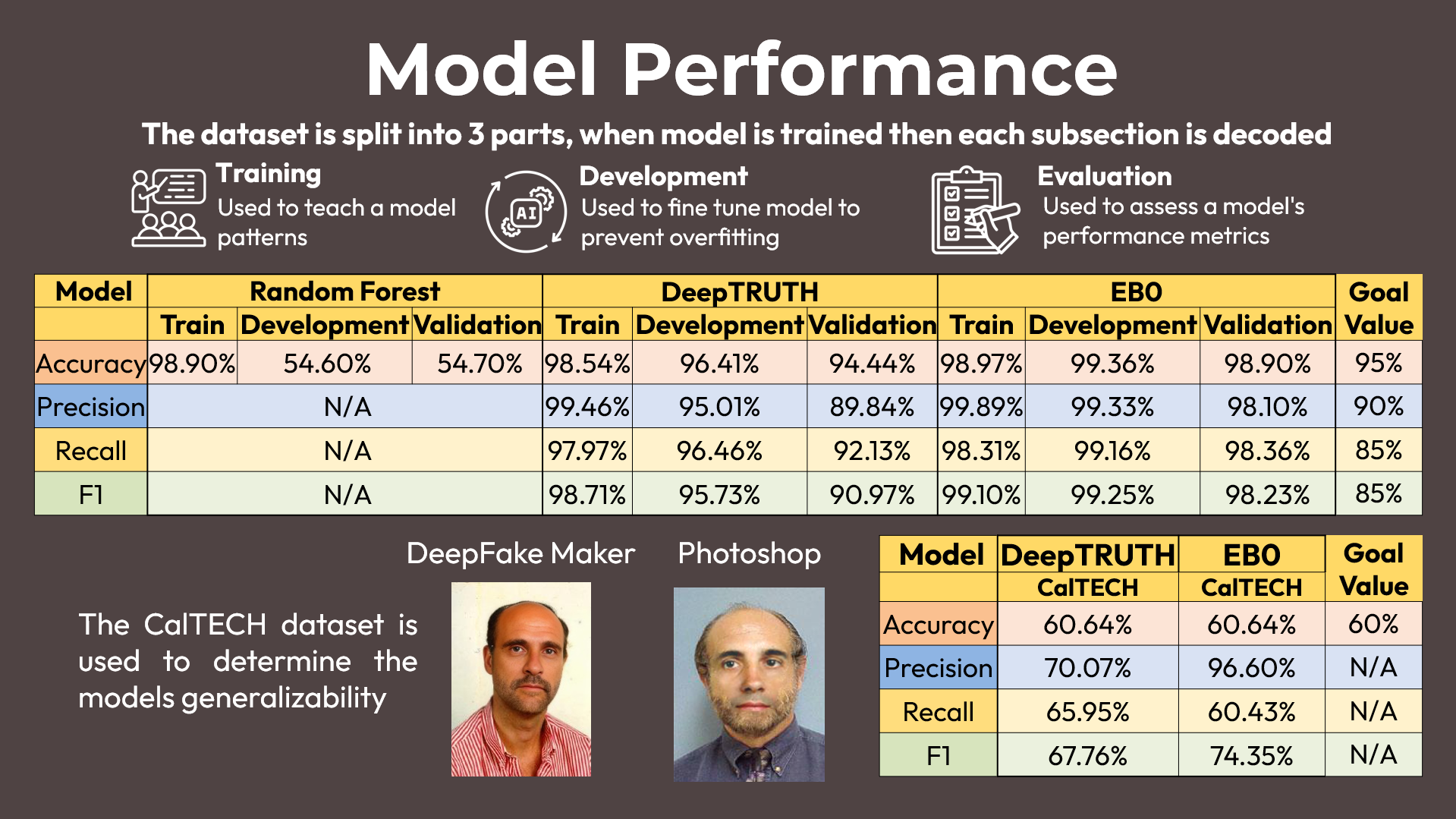
Three classification models are available: Random Forest with DCT features, our custom DeepTRUTH CNN, and EfficientNet B0. Our best model (EB0) achieves 98.90% accuracy on evaluation data, with 98.10% precision and 98.36% recall. Results include confidence scores and visual explanations.
Model Architecture Details
Deep dive into the technical implementation of our three classification approaches
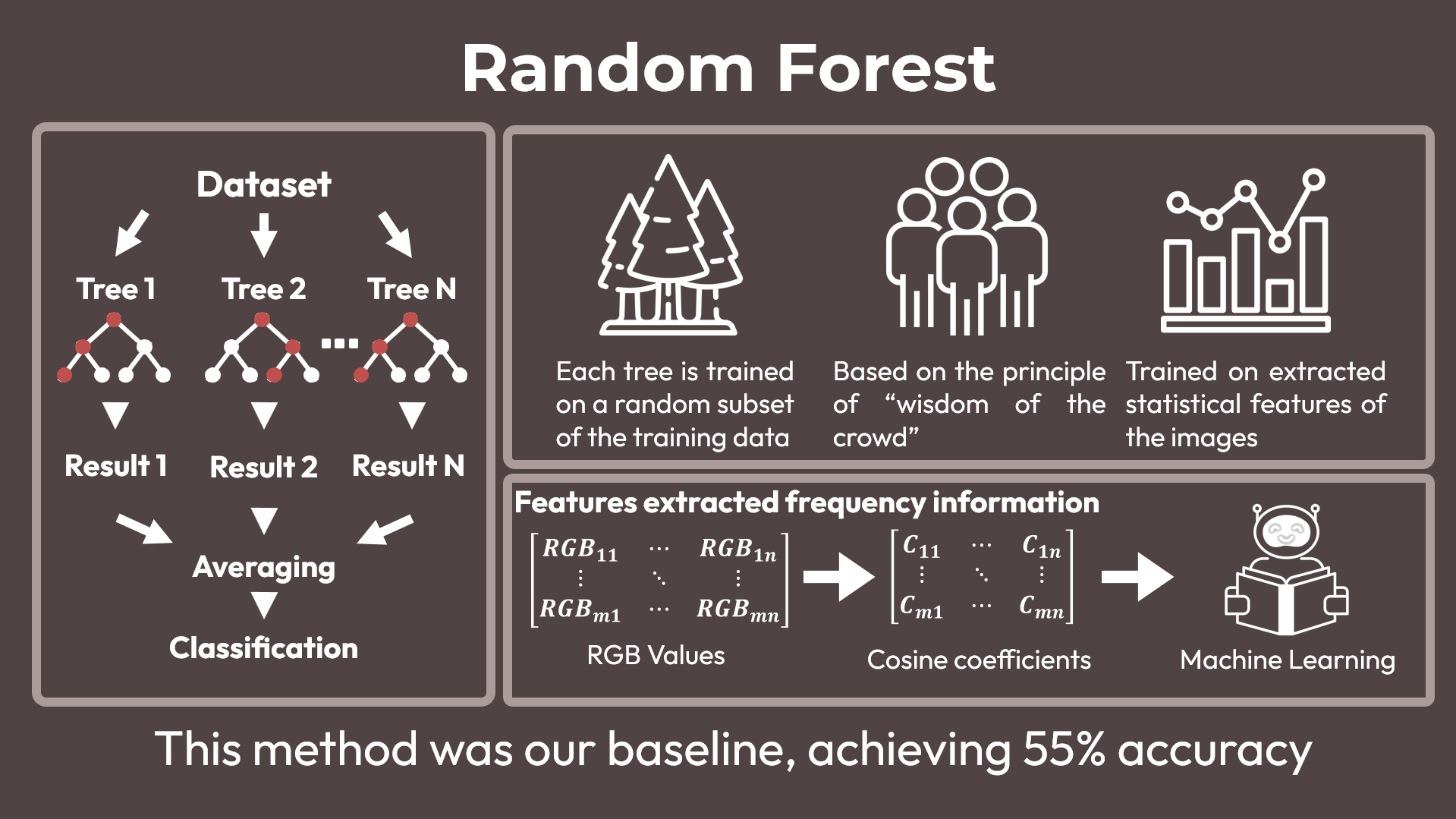
Random Forest
Ensemble learning method using DCT features and multiple decision trees. Fast baseline achieving 55% accuracy with efficient computational requirements.
CNN DeepTRUTH
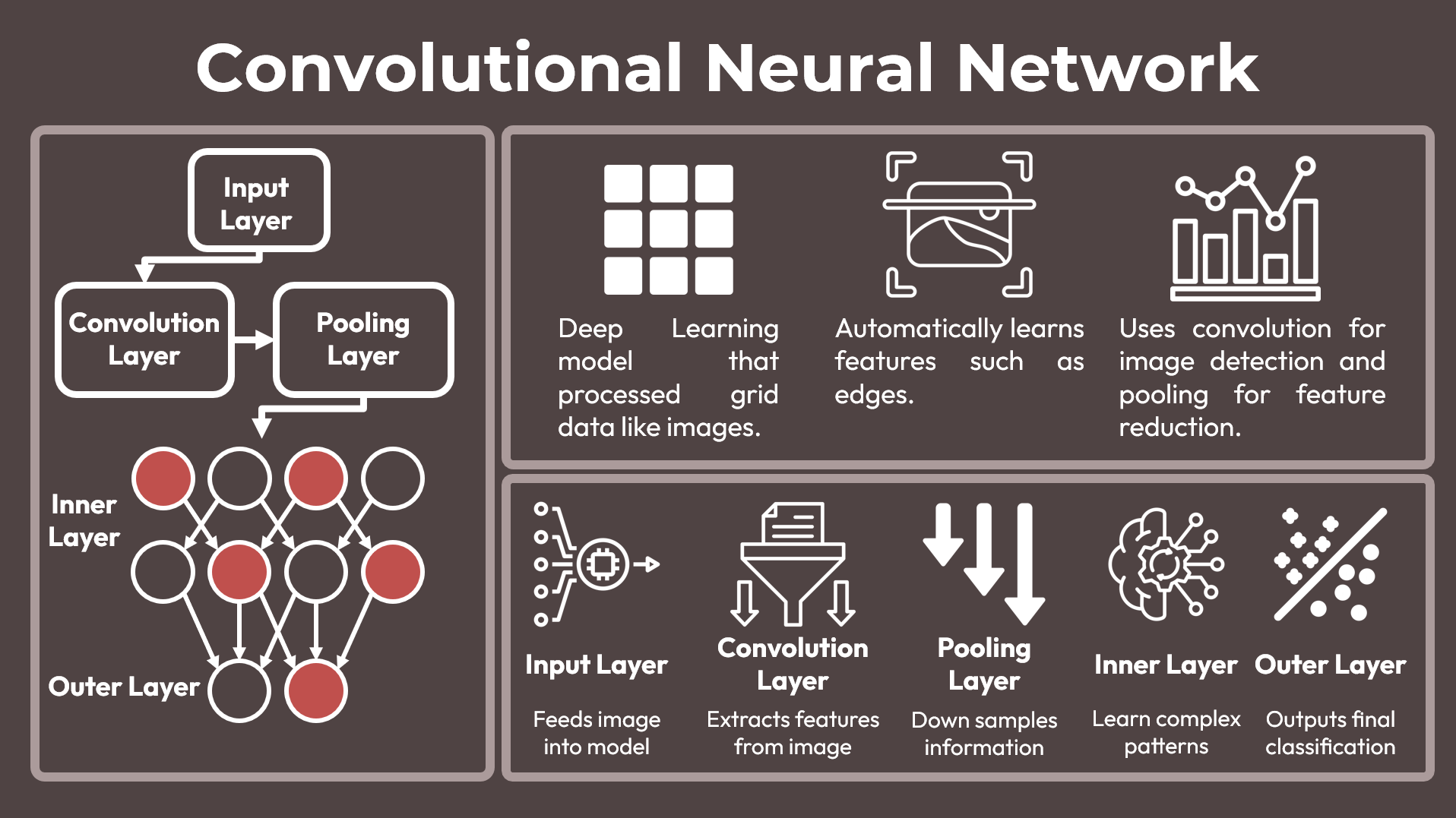
Our custom DeepTRUTH convolutional neural network with multiple layers for automatic feature extraction. Achieves 94.44% accuracy on evaluation data.
EfficientNet B0
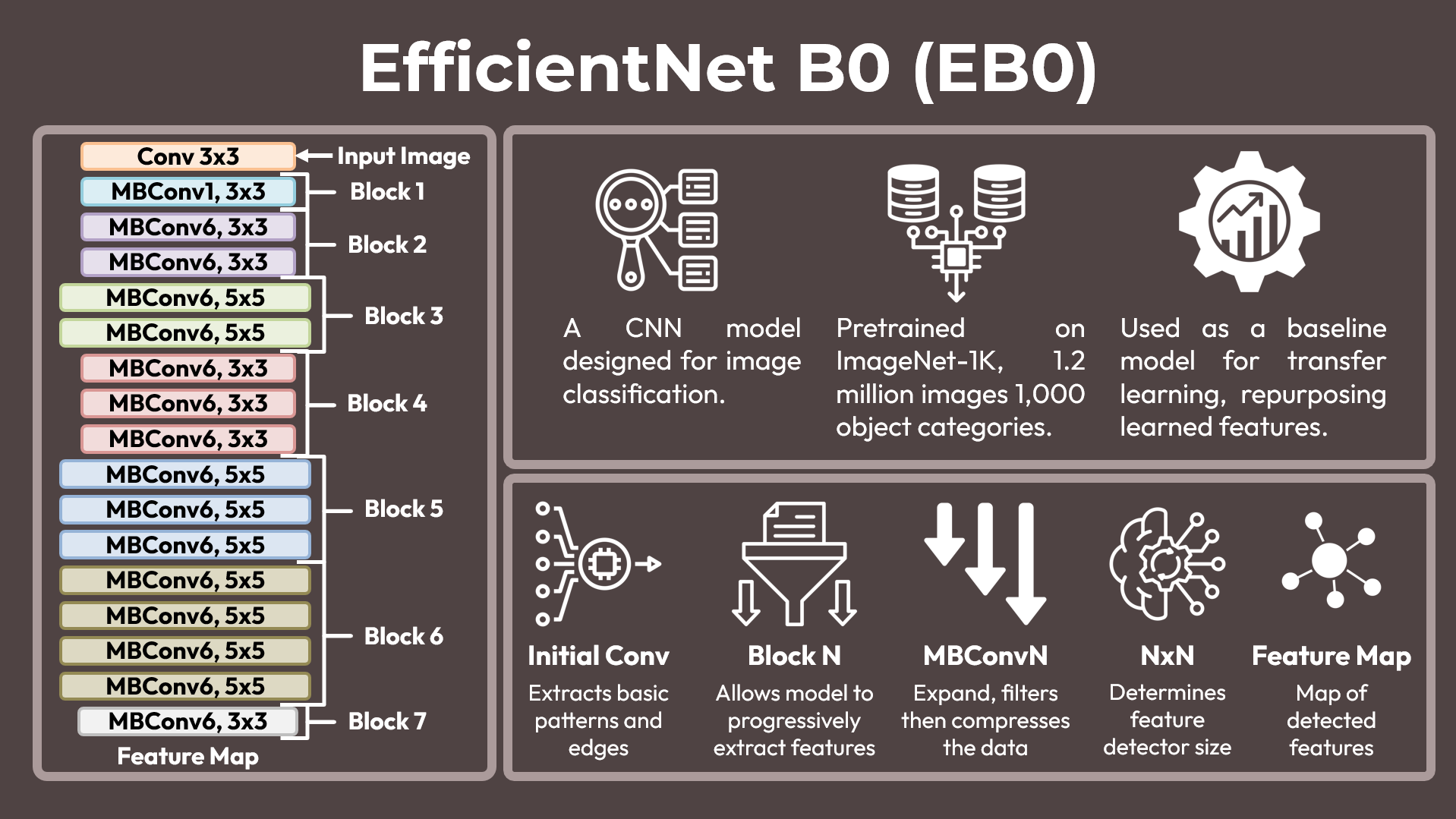
State-of-the-art architecture using transfer learning from ImageNet. Our best performing model achieving 98.90% accuracy with optimal efficiency.
Performance & Results
Model Performance Comparison
Comprehensive evaluation across training, development, and validation datasets.
Application Runtime Analysis
Performance metrics showing detection and classification speed across different file sizes.
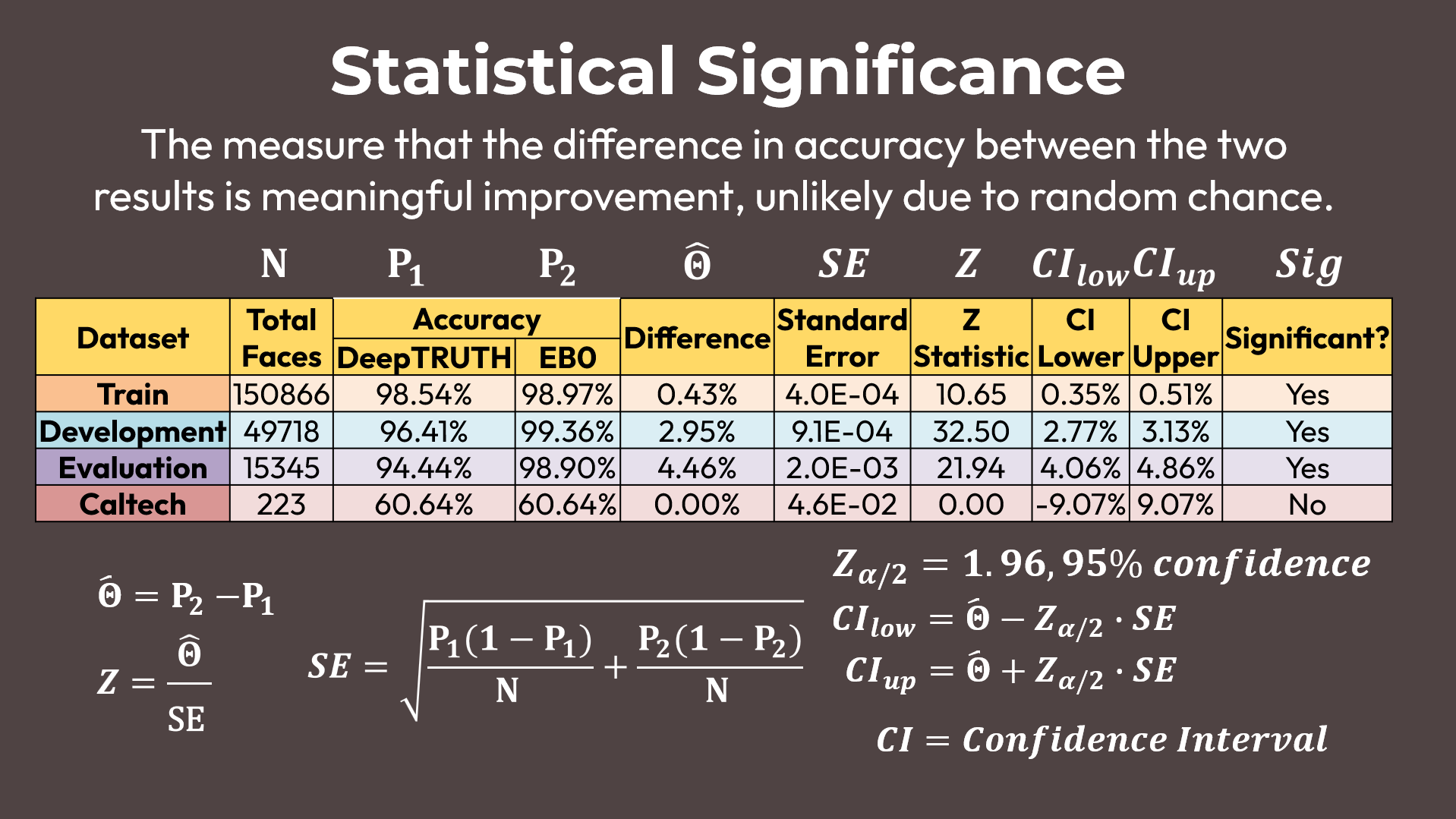
Statistical Significance Testing
Statistical validation confirming meaningful performance improvements between models.
Meet the Team
Electrical & Computer Engineering Seniors & Faculty Advisor
Jouri Ghazi
Team Lead / Machine Learning Engineer
Designed the deepfake detection pipeline including CNN architectures, training workflows, algorithm development, and full web integration.
Ashton Bryant
Data Research Analyst
Researched data sources, ensuring dataset quality. Developed an alternative deepfake dataset used for model generalizability.
Jahtega Djukpen
Data Engineer
Managed project datasets and developed the feature-extraction pipeline that generated standardized inputs essential for reliable model training.
Zacary Louis
Web Developer
Built the project website, creating an interface for showcasing results and deploying the deepfake detection model.
Faculty Advisor
Dr. Joseph Picone
Professor, Electrical & Computer Engineering
Our Commitment to Ethics & Privacy
Privacy First
All uploaded media is immediately deleted.
Transparent Accuracy
Our model achieves 98.90% accuracy on test datasets. Performance may vary on images outside our training distribution.
Responsible Use
This tool is for demonstration purposes only. We prohibit harassment, discrimination, or misuse.